


Getting Fitted for a Sleep Appliance: What the Process Involves
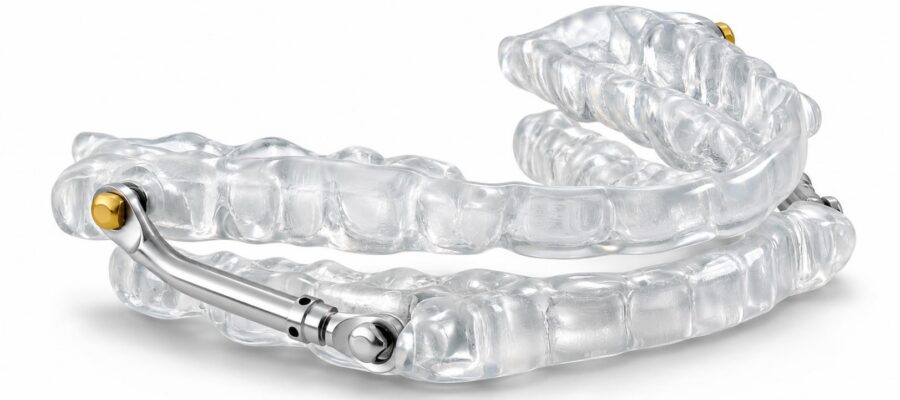
A sleep apnea diagnosis can explain why a full night in bed still leaves you tired. The next step is finding treatment you can use consistently. For some adults with obstructive sleep apnea, a custom oral appliance can support breathing by holding the lower jaw forward during sleep.
Your teeth, jaw movement, and breathing needs all influence the fit. Follow the journey from the first evaluation to the adjustments and testing that help determine whether an appliance is doing its job.
From Evaluation to Everyday Use
The process brings together a sleep clinician’s assessment and a dentist’s understanding of your mouth and jaw. Each stage answers a different question about suitability, comfort, or treatment effectiveness.
1. Confirm the Sleep Diagnosis
The first appointment should establish what is happening while you sleep. Snoring, waking with a dry mouth, or feeling sleepy during the day can provide clues, but symptoms alone don’t confirm the diagnosis.
An evaluation for a snoring appliance in NJ should also consider sleep apnea. Treating the noise without checking for breathing interruptions could leave a more significant problem unrecognized.
A qualified medical provider reviews your symptoms and arranges appropriate sleep testing. Depending on your health and circumstances, this may involve a home sleep apnea test or an overnight study in a sleep laboratory.
The results help identify the type and severity of apnea. Obstructive sleep apnea involves repeated airway blockage, while central sleep apnea involves problems with the brain’s breathing signals.
A jaw advancement appliance addresses obstruction and isn’t a treatment for central sleep apnea. That distinction helps your care team choose a treatment that matches the diagnosis.

2. Decide Whether It Fits
Once the diagnosis is clear, you can discuss how an oral appliance compares with your other options. The decision considers breathing results, medical history, preferences, and the treatment you’re likely to use consistently.
An appliance for apnea may be appropriate when an adult cannot tolerate CPAP or prefers an alternative. CPAP generally controls breathing interruptions more effectively, particularly when sleep apnea is more severe.
Oral appliances often work best for mild to moderate obstruction, although some patients with severe disease may also be considered. That choice needs individualized oversight and objective testing of the treatment response.
Ask what makes you a reasonable candidate and what would happen if the device didn’t provide enough control. If you’re already using prescribed CPAP, discuss any transition with your sleep clinician before changing treatment.
This is also a practical time to review costs. Request an estimate that explains whether fitting visits, adjustments, and follow-up care are included, and check insurance requirements before committing.
3. Check Your Teeth and Jaw
The dental examination looks at whether your mouth can comfortably support the appliance. It also establishes a baseline for monitoring changes during treatment.
Your dentist checks the teeth, gums, existing restorations, and how your upper and lower teeth meet. Jaw movement and tenderness also matter because the appliance changes the position held during sleep.
Mention loose teeth, ongoing dental treatment, difficulty opening your mouth, and any history of jaw pain. Existing TMJ symptoms don’t automatically rule out treatment, but they deserve attention before a device is selected.
A dental sleep appliance may need to wait until certain dental problems have been addressed. Planned crowns or other restorative work can also affect its fit, so coordination with your regular dentist is useful.
For sleep appliance fitting in West Orange, NJ, bring your sleep-study report, medication list, and relevant dental history. Having those details available can help the consultation focus on your needs and the next step.
4. Capture the Measurements
Once treatment is agreed upon, the dentist records the shape of your teeth and the relationship between your jaws. These details guide fabrication of the appliance.
The team may take digital scans or conventional impressions of the upper and lower teeth. A bite record captures a selected jaw position, giving the laboratory information beyond the shape of each tooth.
The starting position depends on your examination and comfort. It should be chosen thoughtfully, with room for later adjustments when needed.
Your custom sleep device is then made from those records. The design should reflect your dental anatomy and treatment needs, along with how easily you can handle it.
Ask how long fabrication is expected to take and when the delivery appointment will be scheduled. Timing varies by the device and laboratory.
If significant dental work becomes necessary while you wait, tell the treating office. A change in the shape of a tooth may affect an appliance that is already being made.
5. Try the Appliance In
The delivery visit is when the appliance becomes something you can handle and use. Your dentist checks that it seats properly, stays in place, and feels acceptable at the starting setting. During sleep apnea device fitting, you should have time to describe pressure points or areas that rub. Small fit adjustments may be needed before the device goes home with you.
You’ll also practice inserting and removing it. This is a useful moment to mention difficulty gripping small parts or understanding the adjustment mechanism. Before leaving, review the instructions with the team. Cover these details:
- How to insert and remove the appliance correctly.
- Which cleaning products are suitable for its materials.
- Whether you should make any adjustments at home.
- What discomfort should prompt a call.
- When your first review will take place.
Ask for written instructions that match your specific device. The steps should feel manageable enough that you won’t have to reconstruct them from memory at bedtime.
6. Settle Into the First Nights
The first nights can involve getting used to a new sensation in your mouth. Realistic sleep device expectations include an adjustment period that varies from one patient to another. Some patients notice extra saliva, dry mouth, tooth tenderness, or morning jaw discomfort. Mild symptoms may settle, but they should still be mentioned during follow-up.
Your dentist may suggest brief practice while awake before progressing to the prescribed overnight routine. Follow the plan provided for you, including guidance about any existing sleep apnea treatment during this transition.
Keep notes about comfort, how long you wore the device, and whether it stayed in place. Details about a specific tooth or one sore area can be more helpful than simply saying the appliance felt uncomfortable.
Persistent or increasing pain, mouth sores, or a bite that continues to feel different should prompt a call. Your dentist may adjust the appliance or recommend individualized morning jaw exercises.
The goal is consistent use throughout sleep. Getting there should involve communication and support, rather than pushing through worsening discomfort.
7. Fine-Tune the Position
After you can tolerate the starting position, the dentist evaluates whether further adjustment is needed. This part of the oral appliance process is often called titration. Titration involves carefully changing the amount of lower-jaw advancement. Some devices allow patients to make small adjustments at home, but only according to the dentist’s instructions.
Moving the jaw farther forward isn’t automatically more effective. Excessive advancement can increase discomfort and, in some cases, worsen breathing, so the setting needs to balance comfort with treatment response.
Your feedback helps guide the process. Changes in snoring, morning symptoms, and daytime alertness are useful observations, although they don’t replace objective testing. The number of adjustments varies, and the initial position may already work well for some patients. There isn’t one setting or schedule that suits everyone.
Ask how to record changes and what should happen if discomfort develops after an adjustment. Keeping the dentist informed helps connect your experience at home with the treatment decisions made at follow-up.
8. Check Your Breathing Again
Once an appropriate setting has been reached, the next question is whether breathing interruptions are adequately controlled. A quieter bedroom or a more energetic morning is encouraging, but it doesn’t answer that question by itself.
Follow-up sleep testing is recommended to assess the appliance’s effectiveness. The test is performed with the device in place, following instructions from the sleep clinician. Depending on the situation, testing may be completed at home or in a sleep laboratory. Results can show whether breathing events and oxygen changes have improved sufficiently.
If control remains inadequate, your care team may discuss additional adjustment, a different treatment, or a combination of approaches. That decision should draw on the test results and your ability to use the device comfortably.
Ask who will explain the findings and share them with the dentist. Knowing who is responsible for this step helps prevent follow-up from being overlooked. Keep copies for your records.

9. Keep the Fit on Track
Ongoing care keeps the appliance usable and gives your dentist opportunities to watch for dental changes. Treatment continues after the initial fitting and successful sleep test.
Clean the device according to its specific instructions, and keep up with brushing and flossing. Storage and cleaning recommendations can differ between materials, so use the guidance supplied with your appliance.
Regular visits allow the dentist to check for wear, damage, tooth movement, and changes in the bite. Professional standards recommend reviews every six months during the first year and at least annually afterward, with additional visits as needed.
Bring the device to dental appointments and report planned restorative work. Also tell your care team if snoring or daytime sleepiness returns, or if your weight or health changes significantly.
An oral appliance manages sleep apnea while it is worn; it isn’t a permanent cure after a short course. A reliable nightly routine and periodic reassessment help keep the treatment aligned with your current needs.
Make Room for Better Rest
Sleep apnea care should give you a clear understanding of both the treatment and the follow-up it requires. Book a consultation with us here at Headache & TMJ Center of New Jersey in West Orange to discuss whether an oral appliance may be appropriate for you!
